Paris Baguette
- 4.7
- Rating
- 100.00K
- Installs
- Free
- Price
 Analysis by App-foxy
I approached Paris Baguette as a practical question rather than simply another restaurant app: does it make visits to Paris Baguette easier enough to deserve a permanent place on my phone? After spending time with the app, my answer is yes for regular customers, especially people who already stop by for bread, pastries, cakes, or coffee. It is free, rated for Everyone, and comes from Paris Baguette America, so its purpose is pleasantly focused rather than trying to become an all-purpose food platform.
The important distinction is that this is a brand-specific food and drink app. I would not install it expecting a broad restaurant directory, meal planning, grocery delivery, or a way to compare every bakery nearby. Its value comes from keeping Paris Baguette visits, rewards, and mobile ordering-related tasks in one place. That narrow focus is also the main decision you need to make: if you visit only once in a while, the extra app may feel unnecessary; if the bakery is part of your routine, the convenience becomes much easier to appreciate.
What I considered before deciding whether it was worth keeping
Before deciding whether to keep a dedicated bakery app, I look beyond the pleasant first try and ask what it changes on an ordinary Tuesday. I weigh how often I visit, whether the rewards and mobile experience fit the way I already order, and whether remembering one more app feels worthwhile. That longer view matters more than novelty, so I start with the habits that could make it stick.
You May Also Like

 AccuWeather: Weather Radar
AccuWeather Review: A Quick, Clear Forecast for Everyday Decisions
For everyday plans, the best forecast is the one you can understand quickly. AccuWeather makes rain timing, radar, and local conditions easy to act on, with a few trade-offs.

 Hill Climb Racing
Why Hill Climb Racing Still Turns Crashes Into One More Run
A tiny car, a bumpy hill and one more upgrade: Hill Climb Racing keeps resurfacing because its simple chaos makes every near-miss feel personal.

 AliExpress - Shopping App
AliExpress Makes Global Shopping Feel Personal, but Shoppers Bear the Risk
AliExpress turns a global marketplace into a pocket-sized discovery engine. Its reach is useful, its shopping loop compelling, and its trade-offs easy to miss.

 Lords Mobile: Kingdom Wars
Lords Mobile Is a Kingdom-Building Routine, Not a Quick Match
A case-by-case verdict on the building, battles, device demands, and social commitments that make Lords Mobile rewarding for some players and exhausting for others.

 PDF Scanner app - TapScanner
TapScanner Makes Paperwork Easier to Capture, Check, and Share
TapScanner makes scanning with a phone feel less like a rescue operation and more like a dependable step in getting work done. Its capture tools are useful, though not flawless.

 Block Blast!
 Shows How Much a Puzzle Game Can Leave Out
A quiet grid game shows why puzzle players increasingly value instant clarity, repeatable skill and low-pressure play—and where the genre still needs to catch up.
More From Our News Desk
View All News


The first question is how often you use the bakery
For me, frequency is the clearest test. A dedicated bakery app has to earn its space by helping with repeated visits, not by offering a long list of unrelated functions. Someone who buys a croissant or coffee from Paris Baguette every week has more reason to use the rewards and mobile experience than someone who happened to pass one location during a trip.
I also considered whether the app reduced small points of friction. A useful food app should make it easier to decide where to go, remember the brand’s rewards activity, and prepare an order without forcing me to start from scratch every time. Those improvements sound modest, but they matter when I am ordering during a work break or trying to pick up something for several people.
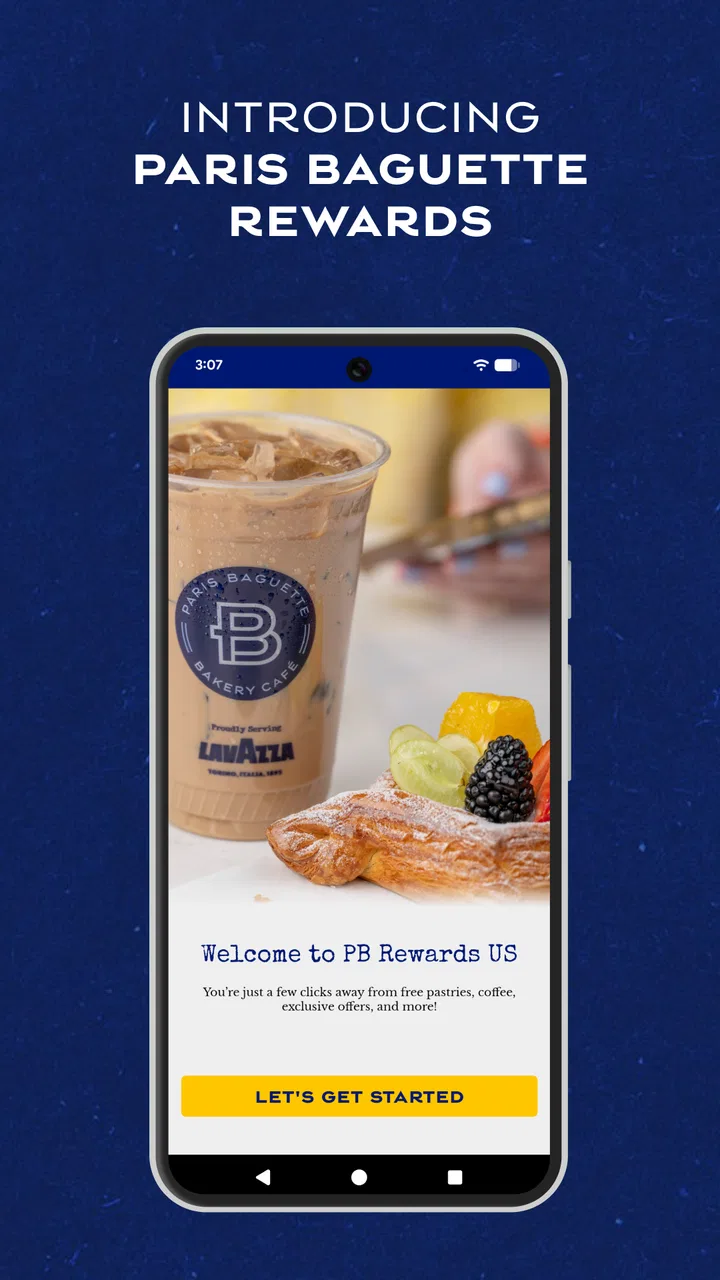
The app’s store summary presents it as a new rewards and mobile app experience, and that is the right way to understand it. It is not attempting to replace the whole food-ordering ecosystem. Instead, it gives Paris Baguette customers a direct digital route to the brand. That makes the app more relevant to loyal customers than to people who prefer one universal service for every restaurant.
What the rating tells me, and what it does not
Paris Baguette has a 4.9 average from around 6,000 ratings, with more than 800 written reviews. That is a strong sign that many users find the experience worthwhile, although I would still treat any store rating as a starting point rather than a guarantee. Food apps can feel excellent when a nearby location supports the workflow well and less useful when a particular visit requires a different process.
The app has passed the 100,000-install mark, which also suggests that it is more than a tiny experiment. It was released on January 7, 2019, and the current version is 3.3. For compatibility, it requires operating system version 10 or later. That requirement is worth checking before you plan around it, particularly if you keep an older phone for occasional use.
The everyday scenario where it makes the most sense
My clearest use case is a weekday morning when I need breakfast for myself and a few colleagues. Instead of relying on memory for the closest bakery or trying to coordinate a last-minute counter order, I can open the Paris Baguette experience, look for the relevant location and items, and prepare the visit in advance. Even when the time saved is small, avoiding a rushed decision at the counter makes the whole stop feel calmer.
A second useful situation is picking up a cake or several pastries. These purchases are more deliberate than grabbing one coffee, so having a brand-specific place to begin can make planning less scattered. I can think about the order before leaving home rather than standing in line while deciding what everyone might want.
There is also a simple habit benefit. Once I use the app for a normal visit, the next visit can follow the same path instead of requiring me to remember which website, account, or rewards screen I used previously. That continuity is the quiet strength of a dedicated app: it turns a repeated brand interaction into a familiar routine.
Where the app wins over broader food apps
The biggest advantage is focus. A general delivery or restaurant app may cover more businesses, but that breadth can also mean more searching, more competing listings, and a less direct connection with the bakery I actually want. Paris Baguette’s app keeps the brand at the center, which is useful when I already know where I want to buy food.
That focus can also make rewards feel more purposeful. Rather than collecting scattered offers across unrelated restaurants, I can use one brand’s experience for the visits I make there. I would not choose this app because it has the largest possible restaurant selection; I would choose it because I want a simpler relationship with Paris Baguette.
The app is strongest when loyalty matters more than variety. That is the key trade-off. A broad food platform is better for discovering different restaurants or comparing options in one search. This app is better when the decision has already been made and the remaining task is to make a Paris Baguette visit smoother.
Rewards are useful, but they should not change your buying habits
I like the idea of having rewards connected to normal purchases, but I would avoid treating the app as a reason to buy food I did not want. The best value comes when rewards fit an existing routine. If I am already stopping for coffee and a pastry, keeping that activity inside the brand’s app may make sense. If I start adding unnecessary visits just to chase a benefit, the convenience disappears.
A practical tip is to decide your normal order before opening the app. That keeps the process focused and makes it easier to judge whether the rewards experience is genuinely helping. Otherwise, any food app can encourage browsing when what you really needed was a quick, predictable purchase.
Mobile ordering changes the way I plan a visit
The mobile experience is most useful before I leave, not while I am already standing at the counter. I would use it to prepare a straightforward order, check the intended location, and reduce the amount of time spent making decisions in a busy shop. For a single item, that may not matter much. For a larger pickup, it can be a meaningful improvement.
There is a trade-off, though. A preplanned digital order is less flexible than simply walking in and choosing whatever catches my eye. Bakeries are part of the appeal because displays can change my mind. If I want the spontaneous experience of looking at the case and asking questions, the app should support that visit rather than replace it.
My best workflow is to use the app for repeat purchases and planned pickups, while keeping a normal in-store visit for occasions when I want to browse. That avoids forcing every bakery trip into the same pattern.
Location choice deserves more attention than people expect
When using a brand-specific food app, selecting the correct store is one of the easiest ways to prevent frustration. I would check the location carefully before finalizing anything, especially if several Paris Baguette shops are within a reasonable distance. A convenient app cannot compensate for sending an order to the wrong place.
This is also where a general map or restaurant app can remain useful. I may use another service to understand which location is closest to my route, then use the Paris Baguette app for the brand-specific part of the visit. These tools do not have to compete. One can help with discovery and navigation while the other handles the customer relationship.
Where another type of app may fit better
If I am deciding between several nearby restaurants, I would start with a broad food platform. Its advantage is comparison: I can look across brands, cuisines, and locations without committing to one bakery. Paris Baguette is not the right first tool for that kind of open-ended search.
If I am already inside a Paris Baguette location and only want to ask a staff member about an item, ordering directly may be faster than opening the app. The app is designed for a repeatable digital workflow, not for every possible question that comes up during a visit.
People who rarely visit the brand may also prefer not to install a dedicated app. A phone with limited storage, a short-term visitor, or someone who likes keeping all restaurant activity in one service may find the separate download hard to justify. In that case, the app’s focus becomes a limitation rather than a benefit.
I would also skip it if my main goal is broad food discovery. No amount of polish in a Paris Baguette-specific experience can turn it into a neutral comparison tool. Choosing the right category of app matters more than choosing the app with the highest rating.
The cost of switching from your current routine
Because the app is free, the main cost of switching is not money. It is attention: downloading it, setting up the experience, learning where the useful screens are, and remembering to use it instead of your usual method. That cost is small for a frequent customer, but it may feel unnecessary for occasional visits.
I would make the switch gradually. First, use it for one planned purchase rather than moving every bakery habit into the app at once. Notice whether the rewards experience is easy to understand and whether mobile ordering fits the way you actually visit. If it helps, keep using it. If your normal counter visit is already effortless, there is no need to force a digital routine.
Another low-friction approach is to use the app only for larger or time-sensitive orders. That gives you a fair test of its practical value without turning a quick coffee stop into an administrative task. It also reveals whether the app is genuinely useful for your needs rather than merely attractive in theory.
What I would check before relying on it
I would confirm that the phone meets the minimum operating-system requirement before downloading. I would also make sure I am comfortable using the app at the locations I visit most often. A brand app is only as useful as the connection between its digital workflow and the real store experience.
Before a busy pickup, I would review the selected location and the order details rather than assuming the last-used choices are still correct. This is a small habit, but it prevents the sort of avoidable mistake that makes people blame the entire app for one rushed tap.
I would not use it as my only source of information when an order is especially important. For a celebration or a large gathering, I would allow extra time and contact the location directly if I needed an answer that the app did not make clear. The app is a convenience layer, not a substitute for every form of personal assistance.
How the age rating and price affect who should try it
The Everyone content rating makes the app broadly approachable for families and ordinary household use. Since it is free, there is little financial risk in trying it. The more relevant question is whether the app matches your shopping habits, not whether it is affordable to download.
For parents buying breakfast or treats for a family, the focused brand experience may be easier than handing a child a broad restaurant marketplace full of unrelated choices. For an individual who buys from many different businesses, the opposite may be true: one general app could be less cluttered than maintaining several brand-specific ones.
My honest view of the friction
The app’s narrow purpose is its most obvious weakness. I cannot use it as a universal answer for eating out, and I would not want to manage multiple dedicated restaurant apps if I only visit each brand occasionally. The more brands I use, the more valuable a broad platform becomes.
There is also a behavioral friction that is easy to overlook. A mobile experience works best when I remember to open it before arriving. If I routinely decide what to buy only after seeing the display, the app may add an extra step instead of removing one. That does not make it poor; it simply means the app favors planned purchases over spontaneous browsing.
Finally, a high rating should not make me ignore context. My experience depends on how often I visit Paris Baguette, which locations I use, and whether I value rewards enough to change my routine. A well-rated app can still be the wrong choice for someone whose needs are different.
Who I would recommend it to
I would recommend Paris Baguette to regular customers who want a direct way to manage their bakery visits and make better use of the brand’s rewards and mobile experience. It is especially suitable for people who repeat similar orders, pick up food for a group, or prefer arranging a visit before leaving home.
I would also recommend trying it to anyone who currently uses a general food app but almost always chooses Paris Baguette anyway. In that situation, the dedicated experience may remove unnecessary searching and make the relationship with the bakery more straightforward.
I would not recommend installing it solely for occasional discovery. If you are still deciding where to eat, a map or broad restaurant app will probably serve you better. Likewise, if you strongly prefer speaking with staff and choosing from the display at the last moment, the app may remain optional rather than essential.
My final recommendation
After weighing the alternatives, I see Paris Baguette as a focused convenience tool rather than a complete food platform. It wins through directness: the right audience already knows the bakery, values repeat visits, and wants rewards or mobile ordering to fit naturally into that routine.
The free download and broad age rating make trying it easy, while the strong 4.9 average gives it a reassuring first impression. I would still judge it by a real visit, not by the rating alone. Use it for a planned order, check the location carefully, and see whether it saves effort compared with your current method.
My recommendation is simple: install it if Paris Baguette is already part of your regular routine; skip it if you mainly need restaurant comparison or only visit once in a while. For the right customer, the app turns a familiar bakery stop into a more organized habit. For everyone else, using a broader food service or ordering directly will likely be the cleaner choice.
FAQs for Paris Baguette
01What features does the Paris Baguette app offer?
The Paris Baguette app offers a range of features designed to enhance your experience. These include an easy-to-navigate menu, online ordering for both pickup and delivery, and a rewards program that allows you to earn points on every purchase. Additionally, the app provides exclusive promotions and updates on new products, ensuring you're always in the loop.
02Is the Paris Baguette app available on both Android and iOS?
Yes, the Paris Baguette app is available for download on both Android and iOS platforms. You can easily find it on the Google Play Store for Android devices and the Apple App Store for iOS devices. The app is designed to provide a seamless experience across both platforms, ensuring all users have access to its features and benefits.
03How does the rewards program work on the Paris Baguette app?
The rewards program on the Paris Baguette app allows you to earn points for every purchase made through the app. These points can be accumulated and redeemed for discounts or free items. The app keeps track of your points, and you'll receive notifications when you have enough to redeem for rewards. This feature is a great way to enjoy savings and exclusive offers.
04Are there any costs associated with using the Paris Baguette app?
Downloading and using the Paris Baguette app is free. However, standard data charges from your mobile service provider may apply when using the app. Additionally, while the app itself doesn't have any hidden fees, you will need to pay for any purchases made through it, such as ordering food or drinks.
05What should I do if I encounter issues with the Paris Baguette app?
If you encounter any issues while using the Paris Baguette app, you can reach out to their customer support for assistance. The app provides a help section where you can find FAQs and contact information. Additionally, you can check for updates, as installing the latest version may resolve any technical problems you are experiencing.
Pros
- User-friendly interface; easy to navigate.
- Extensive variety of bakery items.
- Regular updates with new products.
- Loyalty rewards for frequent customers.
- Efficient online ordering system.
Cons
- Limited delivery areas.
- Occasional app crashes reported.
- No option for custom orders.
- Some items sell out quickly.
- Limited payment options available.

Paris Baguette
Gallery